
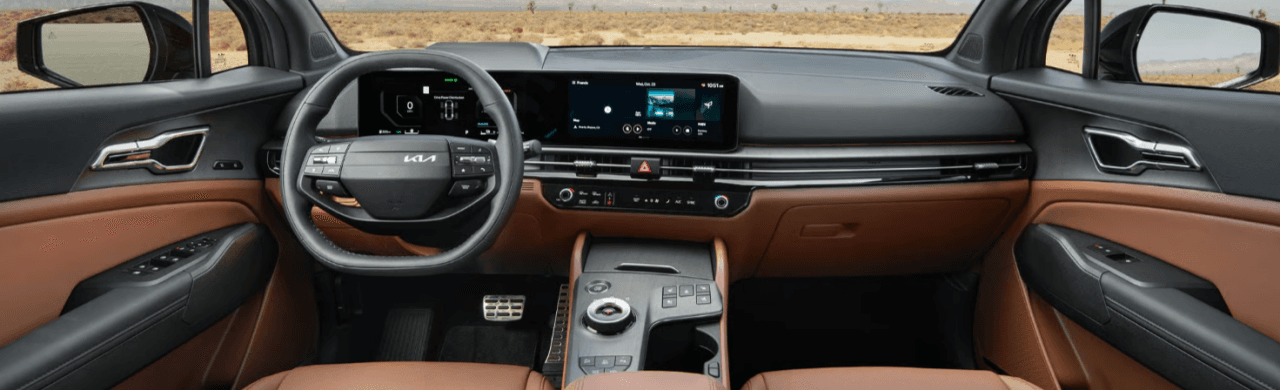
This content was aggregated from local dealer data and insights provided by the USA Today Network Automotive Insights team using Google Gemini and the Vehicles For Sale Near Detroit marketplace writing team.
Short winter trips can make fuel economy harder to maintain, even in a hybrid SUV. When temperatures fall around Detroit, the engine, cabin heating system, battery, and tires all operate under different conditions than they do during mild-weather driving. For shoppers considering a 2027 Kia Sportage Hybrid, understanding these seasonal effects can help set realistic expectations for fuel costs.
Hybrid vehicles can use electric power to reduce gasoline consumption in certain driving conditions, but they are not immune to cold-weather efficiency changes. Frequent short trips may be particularly challenging because the vehicle has less time to reach its normal operating temperature.
Here's what Detroit-area shoppers should understand about winter hybrid fuel economy, what can influence MPG, and what to consider when evaluating a new Kia Sportage Hybrid.
Cold weather can affect hybrid fuel economy in several ways. One important factor is engine warm-up. When a vehicle starts in low temperatures, its gasoline engine may run more often to reach and maintain suitable operating conditions. On a short trip, the engine may spend a significant portion of the drive warming up rather than operating under more efficient conditions.
Cabin heating can also influence hybrid operation. Drivers naturally want a warm interior, clear windows, and comfortable temperatures during Michigan winters. Depending on the vehicle's heating system and operating conditions, providing cabin heat can increase energy demand and affect how frequently the engine runs.
The hybrid battery is another consideration. Cold temperatures can influence battery performance and how the vehicle manages available energy. The hybrid system may adjust its operation to maintain suitable battery conditions, which can affect the balance between electric assistance and gasoline-engine use.
Short trips can make these effects more noticeable because there is limited time for the vehicle to settle into normal operating conditions. Several brief drives with cold starts may produce different fuel economy results from one longer journey covering the same total distance.
Other factors include:
Lower tire pressure in cold temperatures
Winter tires with different rolling characteristics
Snow, slush, and wet pavement
Increased idling while warming or clearing the vehicle
Stop-and-go traffic and frequent acceleration
Additional electrical and climate-control demands
The result is that winter MPG may differ from warmer-weather results. The amount of change depends on temperature, trip length, driving habits, and the exact vehicle configuration.
The Sportage Hybrid combines a gasoline engine with an electric motor and battery system. That arrangement can help reduce gasoline use in appropriate driving conditions, particularly when the hybrid system can use electric assistance effectively.
However, buyers should evaluate the exact 2027 configuration rather than assuming every trim has identical equipment or specifications. Review the vehicle's window sticker and official Kia information for its powertrain, drivetrain, features, and fuel economy ratings.
When comparing a 2027 Kia Sportage Hybrid, consider:
Official EPA-estimated city, highway, and combined fuel economy for the exact configuration
Hybrid system operation and driver information displays
Climate-control and windshield-defrosting functions
Tire size and type
Available drivetrain configuration
Passenger comfort and rear-seat space
Cargo capacity for everyday errands and winter equipment
Driver-assistance and convenience features included on the vehicle
A test drive can help you understand how the SUV feels during ordinary driving. Pay attention to visibility, seat comfort, cabin noise, steering response, and how the hybrid system behaves during normal acceleration and deceleration.
If fuel economy is a major priority, ask how the vehicle's displayed trip information works and whether it can show average MPG over different driving periods. This can help you compare longer-term results instead of judging efficiency from a single short drive.
Fuel is an important part of hybrid ownership, but it is not the only expense to consider. A realistic budget should account for purchase price, insurance, maintenance, tires, and the way seasonal driving affects your routine.
Cold-weather MPG changes can increase gasoline spending if you make frequent short trips. To estimate the effect, track your typical weekly mileage and compare your actual winter fuel economy with your warmer-weather results. Avoid assuming that the official combined rating will match every commute.
Other expenses to consider include:
Scheduled oil and filter service according to the owner's manual
Tire rotations and eventual replacement
Winter tire purchase and seasonal changeover, if needed
Brake inspections and repairs
Battery and hybrid-system inspections according to manufacturer guidance
Wiper blades and cold-weather washer fluid
Insurance and registration
Fuel expenses based on actual driving
Hybrid ownership does not mean every maintenance item disappears. The gasoline engine still requires appropriate service, and tires, brakes, suspension components, and other systems continue to experience normal wear.
Before purchasing, review the warranty information for the hybrid components and the vehicle as a whole. Confirm what is covered, the applicable time or mileage limits, and any exclusions. Use official Kia documentation rather than relying on general assumptions about hybrid warranty coverage.
Detroit-area driving can involve short neighborhood trips, congested commuting, freeway travel, and errands in cold weather. Each pattern can produce different hybrid fuel economy results.
If most of your driving consists of brief trips, expect cold starts and cabin heating to play a larger role in fuel use. Combining errands into fewer, longer journeys may reduce the number of cold starts, although route planning should always prioritize safety and convenience.
During winter, keep tire pressure at the recommended level and check it regularly as temperatures change. Use the tire specifications listed for the vehicle, and consider whether winter tires are appropriate for your routes. Keep the windshield, lights, and sensors clear of snow and ice, and avoid extended idling as a substitute for following the vehicle's recommended warm-up guidance.
When comparing fuel economy, look at trends rather than a single trip. A short drive in very cold weather may show lower MPG than a longer journey on a milder day. Compare similar routes, temperatures, and driving conditions to get a more useful picture.
Detroit shoppers can begin comparing Kia Sportage Hybrid listings near Detroit. Review the exact vehicle's powertrain, equipment, and official fuel economy information before deciding whether it fits your routine.
A few focused questions can help you understand how a particular Sportage Hybrid may fit your driving habits and ownership budget.
What are the official fuel economy ratings for this exact 2027 configuration?
Which hybrid powertrain and drivetrain are included?
How does the vehicle manage engine operation and cabin heating in cold weather?
What maintenance schedule applies to the hybrid system and gasoline engine?
What warranty coverage applies to the hybrid components?
Which tire specifications are recommended?
Can I review the window sticker and official equipment information?
What features are included on this trim compared with other available configurations?
If possible, compare the vehicle's displayed fuel economy over a normal test drive, but remember that one short drive cannot predict your long-term MPG. Your own route, weather, and driving habits will have a greater influence over time.
Cold temperatures can reduce hybrid fuel economy because the gasoline engine may run more often during warm-up, cabin heating adds energy demand, and battery operation can change. The amount of impact depends on temperature, trip length, traffic, and driving habits.
A short trip may end before the engine reaches its normal operating temperature. The hybrid system may need to run the engine more frequently during that period, while cabin heating and cold battery conditions can also affect efficiency. Repeated cold starts can make the effect more noticeable.
Keep tires properly inflated, avoid unnecessary idling, remove excess cargo, and drive smoothly. Combining errands into fewer trips may reduce repeated cold starts. Follow Kia's guidance for warm-up and maintenance, and use climate settings that keep windows clear while maintaining safe cabin comfort.
Yes, but remember that official ratings are measured under standardized testing conditions. Your winter results may differ because of temperature, trip length, traffic, heating demand, tires, and driving style. Compare similar routes and conditions over time for a more meaningful estimate.