
This content was aggregated from local dealer data and insights provided by the USA Today Network Automotive Insights team using Google Gemini and the Vehicles For Sale Near Detroit marketplace writing team.
Choosing an engine for a full-size SUV can affect more than acceleration. For Detroit-area drivers considering a 2027 Chevrolet Suburban, the choice between a Duramax diesel and a gasoline V8 deserves a closer look at highway performance, fuel costs, towing needs, and long-term ownership expenses.
Both engine types can make sense, but they serve different priorities. A diesel may appeal to drivers who regularly cover long distances or value its low-speed pulling characteristics. A gas V8 may suit shoppers who prefer a traditional gasoline powertrain and want to compare its purchase and operating costs against the diesel alternative.
The right decision depends on the exact 2027 configurations available, how you drive, and what you expect from your Suburban over several years. Here's what to evaluate before choosing.
The biggest difference between diesel and gasoline powertrains is how they deliver power and how their fuel use responds to driving conditions.
A diesel engine typically produces substantial torque at relatively low engine speeds. That characteristic can be useful when accelerating a large SUV, carrying passengers and cargo, or towing within the vehicle's rated limits. On the highway, drivers may appreciate the way a diesel delivers pulling power without needing to operate at high engine speeds as often.
A gasoline V8 generally offers a different driving character. Its power delivery, engine sound, and response can feel familiar to drivers accustomed to traditional full-size SUVs. Depending on the exact engine and configuration, it may provide strong acceleration for merging and passing.
Fuel economy is another important distinction. Diesel engines can be efficient during sustained highway driving, but actual results depend on vehicle configuration, speed, load, terrain, weather, and driving habits. A diesel's fuel price may also differ from gasoline prices, so better MPG does not automatically guarantee lower fuel spending.
When comparing the two, consider:
Your typical annual highway mileage
Average trip length and driving speed
How often you carry a full passenger load
Whether you tow and how frequently
Local diesel and gasoline prices
Purchase-price differences between configurations
Maintenance and repair costs over your ownership period
Do not assume a particular engine is available with every trim or equipment package. Verify the official 2027 Chevrolet specifications and the window sticker for the exact Suburban being considered.
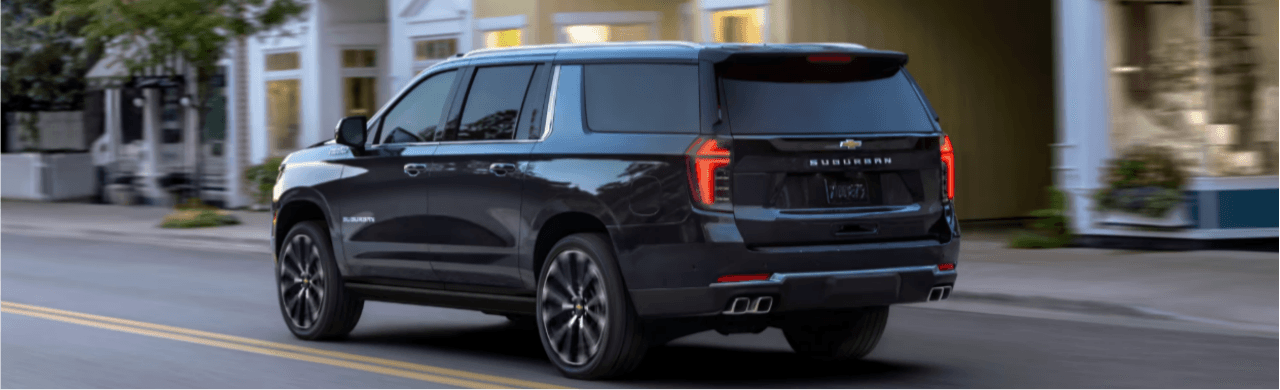
The Chevrolet Suburban is a full-size SUV designed around passenger capacity, cargo flexibility, and the ability to handle a range of everyday and travel needs. Engine choice is one part of the buying decision, but the vehicle's complete configuration matters just as much.
A useful comparison should include the following:
Engine type and official output specifications
Transmission and drivetrain configuration
Manufacturer-rated towing capacity for the exact vehicle
Payload rating and gross vehicle weight information
Fuel economy ratings
Available driver-assistance and convenience equipment
Seating and cargo configuration
Tire specifications and included packages
For highway driving, consider how the SUV behaves at cruising speeds, during passing maneuvers, and when merging into faster traffic. A test drive should include a route that reflects your regular use when possible.
If you plan to tow, do not choose an engine based on torque figures alone. Towing capability depends on the vehicle's complete configuration, including axle ratio, drivetrain, cooling equipment, hitch setup, payload, and applicable weight ratings. Check the owner's manual and official Chevrolet towing information before selecting a trailer.
The same caution applies to fuel economy. Compare official ratings for the exact engine and drivetrain rather than relying on figures from a different model year or configuration.
The value of a diesel or gas V8 depends on more than the initial sticker price. To compare the two fairly, consider the purchase-price difference, fuel spending, maintenance, and how long you expect to keep the vehicle.
A diesel may be worth evaluating if you regularly travel long highway distances or tow within the Suburban's approved limits. However, its potential fuel-efficiency advantage needs to be weighed against the price of diesel fuel, any purchase-price difference, and diesel-specific service requirements.
A gas V8 may be attractive if its purchase price and operating costs better match your driving pattern. Drivers who take shorter trips or do not tow regularly may place more value on the overall cost of ownership than on diesel torque.
Build a comparison using your own numbers:
Estimated annual mileage
Percentage of highway versus city driving
Expected fuel economy for each exact configuration
Current local gasoline and diesel prices
Purchase price difference
Scheduled maintenance expenses
Insurance and registration costs
Expected ownership period
A simple fuel-cost estimate can help:
Annual fuel cost = annual miles ÷ estimated MPG × local price per gallon.
Use realistic fuel economy assumptions rather than expecting every trip to match an official rating. For a more complete comparison, add scheduled maintenance and the initial purchase-price difference.
Diesel ownership can also involve additional service considerations, including emissions-control components and the maintenance requirements described in the owner's manual. Ask for the service schedule for the exact engine before making a decision.
Detroit-area driving can include freeway commuting, suburban errands, longer trips across Michigan, and winter travel. Your engine choice should reflect the way you actually use the Suburban rather than an occasional trip that may not represent your normal routine.
If you regularly spend extended periods on the highway, compare both engines under similar conditions. Consider how they feel at cruising speed, how they respond when passing, and whether their fuel costs make sense for your annual mileage.
If most trips are short, think carefully about diesel ownership requirements. Modern diesel vehicles use emissions-control systems that operate according to specific conditions and manufacturer procedures. Frequent short journeys may not be ideal for every diesel operating pattern. Ask Chevrolet or a qualified service professional how the system should be used and maintained.
Michigan winters also make tire condition and road preparation important. Cold temperatures, snow, and wet pavement can affect traction and fuel economy regardless of engine type. Choose tires suited to your driving conditions and follow the vehicle's maintenance recommendations.
Before purchasing, use this test-drive checklist:
Compare acceleration and passing response.
Listen for engine and road noise at highway speed.
Evaluate ride comfort on different road surfaces.
Check visibility and driver seating position.
Test the infotainment and driver-assistance controls.
Confirm the seating and cargo layout works for your household.
Review the exact engine specifications and fuel economy ratings.
Joe Lunghamer Chevrolet serves the Detroit marketplace. Comparing available Suburban configurations and reviewing the official specifications can help you decide which engine better supports your driving needs.
You can begin with Chevrolet Suburban listings near Detroit and compare the details of each available vehicle.
It depends on your priorities. A diesel's torque delivery and potential highway efficiency may appeal to drivers who travel long distances or tow regularly. A gas V8 may be a better fit for shoppers who prefer gasoline ownership or whose driving habits do not justify diesel-specific costs.
Not necessarily in every situation. Fuel economy depends on engine configuration, speed, terrain, passenger and cargo load, and driving habits. Compare official ratings for the exact 2027 vehicles, then estimate fuel spending using local diesel and gasoline prices.
Consider annual mileage, typical trip length, towing needs, diesel fuel availability, and maintenance requirements. Ask about emissions-system care and follow the manufacturer's operating guidance. Confirm the exact engine configuration and warranty information before purchasing.
It may be worth considering if your routine consists mainly of short journeys and you do not need the characteristics of a diesel. Compare the actual purchase price, fuel economy, and service requirements of the available configurations before deciding.