This content was aggregated from local dealer data and insights provided by the USA Today Network Automotive Insights team using Google Gemini and the Vehicles For Sale Near Detroit marketplace writing team.
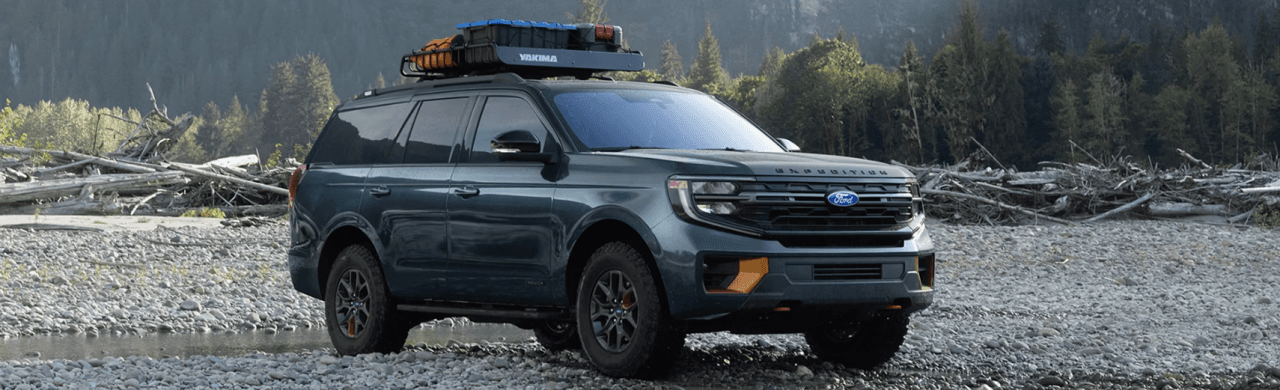
Michigan winters can make everyday driving more demanding. Snow-covered roads, slushy intersections, icy parking lots, and changing conditions around Detroit all make traction an important consideration when choosing a vehicle. For shoppers considering a new Ford Expedition for sale, the 2027 model's available four-wheel-drive configuration may be worth a closer look.
The Expedition is a full-size SUV designed for drivers who need substantial passenger and cargo space. When equipped with 4WD, it can provide additional traction support in certain low-grip conditions. However, the system is only one part of winter readiness. Tires, driver input, visibility, and the exact vehicle configuration all matter.
Here's what Detroit-area shoppers should understand about Expedition 4WD, which features deserve attention, and what to check before choosing a vehicle.
A four-wheel-drive system can help distribute engine power to more than two wheels when road conditions reduce traction. That can be useful when pulling away from a snowy intersection, moving through a snow-covered residential street, or traveling on a slippery driveway.
The important distinction is that 4WD helps with acceleration and traction. It does not eliminate the challenges of stopping or turning on snow and ice. Even a capable full-size SUV can slide if the tires cannot maintain grip with the road.
When evaluating a 2027 Ford Expedition with 4WD, ask the dealer to explain the system installed on the exact vehicle. Confirm which drive modes are available, how the system engages, and whether its operation changes depending on the selected mode. Equipment and operating details should be verified against the vehicle's window sticker and official Ford documentation rather than assumed from the model name alone.
For Michigan driving, consider how the system fits your typical routes. Drivers who regularly encounter unplowed roads or snowy parking areas may value 4WD differently from those who mainly travel on treated highways.
The Expedition's size and capability make it important to evaluate more than the drivetrain. A winter-ready buying decision should account for the complete vehicle.
Consider these areas when comparing a 2027 Ford Expedition Active or another configuration:
4WD availability and the specific system fitted to the vehicle
Drive modes and any snow-oriented settings listed for that configuration
Tire type, tread condition, and winter suitability
Ground clearance and the vehicle's dimensions when navigating deeper snow
Braking performance and driver-assistance equipment
Headlight performance, windshield visibility, and available defrosting features
Seating comfort and cabin space for passengers wearing winter clothing
Cargo room for winter emergency supplies, luggage, or everyday equipment
The Active trim is a useful starting point for shoppers researching the 2027 Ford Expedition Active, but the trim name alone does not establish which drivetrain or winter-related equipment a particular vehicle includes. Compare the actual listing, window sticker, and factory specifications.
A test drive can also reveal practical details that a feature list cannot. Pay attention to how easily you can see around the vehicle, how manageable its size feels in a parking space, and whether the controls are straightforward to operate.
For many Michigan drivers, tires deserve at least as much attention as the 4WD system. The tires are the only part of the vehicle that directly contacts the road. Their tread design, rubber compound, condition, and suitability for winter temperatures all influence traction.
A 4WD Expedition with tires that are poorly suited to winter conditions may not perform as confidently as expected. Ask what tires are installed, whether they are all-season or winter tires, and what replacement options are appropriate for the vehicle.
Other features deserve consideration, too:
Traction support: Understand how the 4WD system and any traction-control functions work together.
Drive-mode selection: Ask which modes are available and when Ford recommends using them.
Braking and stability: Remember that 4WD does not shorten every stopping distance or prevent skidding.
Visibility: Check headlights, mirrors, windshield defrosting, and rear-window visibility.
Driver assistance: Review the exact equipment fitted and understand its limitations in snow, ice, and poor visibility.
A useful test-drive checklist includes checking the seating position, visibility, steering feel, braking response, and ease of reaching important controls. Do not try to test traction by driving aggressively on public roads. Ask the dealer to explain system operation in a safe, appropriate setting.
Winter driving around Detroit involves more than deep snow. Drivers may encounter wet pavement, slush, freezing rain, untreated side streets, and rapidly changing temperatures during a single trip.
A full-size SUV can offer the passenger and cargo capacity some households need, but its size should be part of the buying decision. Consider the routes you drive most often, the parking spaces you use, and how comfortable you feel maneuvering a large vehicle in crowded areas.
Fuel costs and tire expenses also belong in an ownership comparison. A 4WD configuration may have different operating characteristics from a two-wheel-drive version, so compare the specifications and estimated costs for the exact vehicles under consideration. Do not assume that two Expedition listings have identical equipment or operating costs simply because they share a model year.
Winter preparation should include checking tire pressure, tread depth, windshield washer fluid suitable for cold temperatures, wiper condition, battery health, and exterior lights. Follow the maintenance schedule in the owner's manual, and address any warning lights or unusual vehicle behavior promptly.
Detroit-area shoppers can begin by reviewing Ford Expedition listings near Detroit. Compare drivetrain, trim, equipment, and tire details rather than relying on a listing headline alone.
A few specific questions can make it easier to compare local SUV inventory and avoid assumptions about winter equipment.
Is this particular 2027 Expedition equipped with 4WD?
Which drive modes and traction-related features are included?
What tires are installed, and are they appropriate for Michigan winter conditions?
Can I review the window sticker and the vehicle's equipment list?
Are there differences between the available Expedition trims that affect my priorities?
What does the owner's manual recommend for operating the 4WD system?
Can I take a test drive that includes the types of roads I normally use?
These questions help turn a general feature comparison into a practical evaluation of the vehicle you may actually purchase.
It can be worth considering if you regularly drive on snowy roads, untreated streets, or slippery driveways. Four-wheel drive can help provide traction when accelerating, but it does not replace suitable tires or careful driving. Confirm that the specific Expedition you're considering includes 4WD.
No. Four-wheel drive does not automatically improve stopping distance on ice. Braking depends on tire grip, road conditions, vehicle speed, and driver response. Maintain a safe following distance, slow down in poor conditions, and avoid assuming that additional traction while accelerating means additional traction while braking.
Drivetrain availability should be confirmed for the exact 2027 Expedition Active vehicle you're considering. Check the listing, window sticker, and official Ford specifications. Ask the dealer to identify the installed drivetrain rather than assuming that every vehicle with the Active trim has the same equipment.
Evaluate visibility, seating position, steering response, braking feel, and how manageable the SUV is in normal traffic and parking situations. Ask about the tires and 4WD operation. A safe test drive should focus on ordinary driving behavior, not deliberately testing the vehicle's limits on slippery roads.