
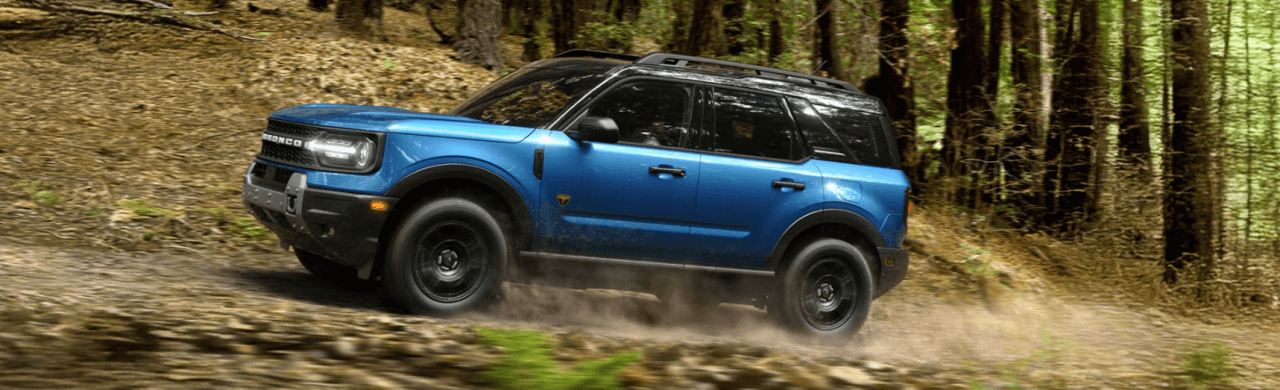
This content was aggregated from local dealer data and insights provided by the USA Today Network Automotive Insights team using Google Gemini and the Vehicles For Sale Near Detroit marketplace writing team.
Michigan winters can change the way you care for a vehicle. Snow, road salt, freezing temperatures, slush, and potholes all create additional demands on tires, brakes, batteries, and exterior components. For Detroit drivers considering a 2026 Ford Bronco Sport, understanding these seasonal effects can help build a more realistic maintenance budget.
The Bronco Sport is a compact SUV that may suit drivers who want everyday versatility, but winter ownership still requires attention. Even when a vehicle is equipped for challenging road conditions, it needs regular inspections and maintenance suited to its use.
A useful ownership plan starts with the manufacturer's maintenance schedule and accounts for the conditions you actually drive in. Here's what to consider when estimating 2026 Ford Bronco Sport maintenance costs in Michigan.
Cold weather affects several vehicle systems, while road salt and moisture create additional concerns. The amount of maintenance needed depends on driving habits, storage conditions, mileage, and the vehicle's condition.
One of the most visible winter concerns is corrosion. Salt and road treatments can accumulate on the underbody, suspension components, wheels, and other exposed areas. Regularly washing the vehicle, including appropriate underbody cleaning, can help remove residue. Follow Ford's care recommendations and pay attention to areas where salt and grime collect.
Tires also deserve more attention during winter. Cold temperatures can reduce tire pressure, while rough roads and potholes can contribute to uneven wear or alignment problems. Check pressure regularly using the recommended specifications, inspect tread condition, and look for visible damage after encountering a significant pothole.
Other seasonal checks include:
Battery condition and starting performance during cold weather
Windshield wiper condition and washer fluid suitable for freezing temperatures
Brake condition, especially if braking feels unusual or produces unexpected noise
Exterior lights and visibility equipment
Tire pressure, tread depth, and signs of uneven wear
Belts, hoses, and other components during scheduled inspections
Undercarriage areas where salt and road debris can accumulate
Short trips can also affect maintenance needs. When the engine does not consistently reach normal operating temperature, moisture and contaminants may not be managed as effectively as during longer drives. Follow the maintenance schedule for your vehicle and ask a Ford service professional whether your driving pattern falls under any special operating conditions described in the owner's manual.
The Bronco Sport's compact SUV format can make it appealing for drivers who want a vehicle suited to everyday transportation while retaining a practical utility-focused design. When evaluating a 2026 model for Michigan use, consider how its equipment and configuration match your regular routes.
Do not assume that every trim includes identical features. Review the specific vehicle's window sticker and official Ford documentation to confirm drivetrain, tires, available drive modes, and other equipment.
For winter ownership, some details matter as much as the headline features:
The installed tires and their suitability for cold-weather driving
Drivetrain configuration and the operation of any available traction-related systems
Ground clearance relative to the roads and conditions you regularly encounter
Headlight performance and windshield visibility
Defrosting and climate-control operation
Ease of cleaning exterior surfaces and removing accumulated road salt
Cabin and cargo space for winter clothing, supplies, and everyday gear
A test drive should include checking visibility, seating comfort, steering response, braking feel, and how easily you can operate the controls. If you are comparing different Bronco Sport configurations, ask the dealer to explain the equipment differences rather than relying on trim names alone.
The advertised purchase price is only one part of the cost of owning a compact SUV. Michigan winter conditions can make certain maintenance items more important, so it is useful to plan for routine expenses as well as occasional repairs.
Tires are one potential expense. Winter driving, potholes, and changing temperatures can affect tire condition and pressure. Depending on your driving needs and the tires fitted to the vehicle, you may also want to consider whether a separate set of winter tires makes sense. Compare the initial cost, installation, storage, and seasonal changeover expenses.
Battery testing and replacement may also become relevant as a vehicle ages. Cold weather can make a weak battery more noticeable, particularly during periods of very low temperatures. Routine inspections can help identify a problem before it becomes an unexpected inconvenience.
Other ownership costs to include in your budget are:
Scheduled oil and filter service according to the owner's manual
Tire rotations and eventual replacement
Brake inspections and repairs when needed
Wheel alignment checks after significant impacts or uneven tire wear
Wiper blades and cold-weather washer fluid
Car washes and underbody cleaning during periods of heavy road-salt use
Battery testing and replacement when necessary
Insurance, registration, and fuel
Avoid assuming that winter automatically requires a particular extra service interval. The correct schedule depends on Ford's guidance, the vehicle's mileage, and its operating conditions. Keep service records and ask for an explanation before approving maintenance that is not clearly required.
Detroit-area driving can involve a mix of freeway commuting, neighborhood streets, parking structures, and suburban routes. Winter adds another layer, with changing road conditions and frequent transitions between treated and untreated surfaces.
A practical maintenance routine does not need to be complicated. Check tire pressure regularly, keep the windshield and lights clear, remove heavy salt buildup, and pay attention to changes in braking, steering, or starting behavior. If the vehicle develops a warning light or unusual noise, have it inspected rather than waiting for the next scheduled visit.
The way you use the Bronco Sport also matters. Drivers who make frequent short trips, travel on rough roads, or accumulate substantial mileage may have different maintenance needs from those who primarily take longer highway journeys. Refer to the owner's manual for the correct schedule and any applicable severe-use guidance.
Before choosing a vehicle, consider how much space you need, where you park, and whether the vehicle's dimensions suit your regular routes. A test-drive checklist should include visibility, comfort, cargo access, and how manageable the SUV feels in ordinary traffic.
Detroit shoppers can begin comparing Ford Bronco Sport listings near Detroit. Review each vehicle's equipment and condition, then ask about its maintenance history if it is not new.
A few direct questions can help you understand the Bronco Sport's expected upkeep and avoid overlooking important details.
What maintenance schedule applies to this exact 2026 Bronco Sport?
Does my driving pattern fall under any severe-use recommendations in the owner's manual?
Which tires are installed, and what replacements are recommended?
What warranty coverage applies to the vehicle?
Are there maintenance records or inspection findings I should review?
What service items are due based on the vehicle's mileage and condition?
Can the dealer explain the vehicle's drivetrain and winter-related equipment?
Ask for maintenance estimates in writing where possible. Comparing expected service costs can help you evaluate the overall cost of ownership instead of focusing only on the initial price.
Winter can increase attention to tires, battery condition, brakes, wipers, washer fluid, and underbody cleaning. Road salt and potholes can also affect vehicle condition. The actual maintenance required depends on mileage, driving patterns, and the manufacturer's schedule for the specific vehicle.
There is no single schedule that applies to every driver. Washing when road salt and grime accumulate can help limit prolonged exposure, particularly around the underbody and wheel areas. Choose suitable washing conditions and follow Ford's vehicle-care recommendations.
Frequent short trips can create different operating conditions from longer drives, particularly when the engine has limited time to reach normal operating temperature. Consult the owner's manual for applicable maintenance guidance and ask a service professional whether your driving pattern calls for any additional attention.
Winter tires may be worth considering if you regularly drive in snow, ice, or very cold conditions. The right choice depends on your routes, the tires already installed, and your driving needs. Confirm the recommended tire size and specifications before purchasing replacements.